Seasonal Shopping Guide: Making the Most of Sales Events in Bangladesh
May 10, 2026
|
seasonal shopping
Eid
Pohela Boishakh
sales events
shopping calendar
Bangladesh
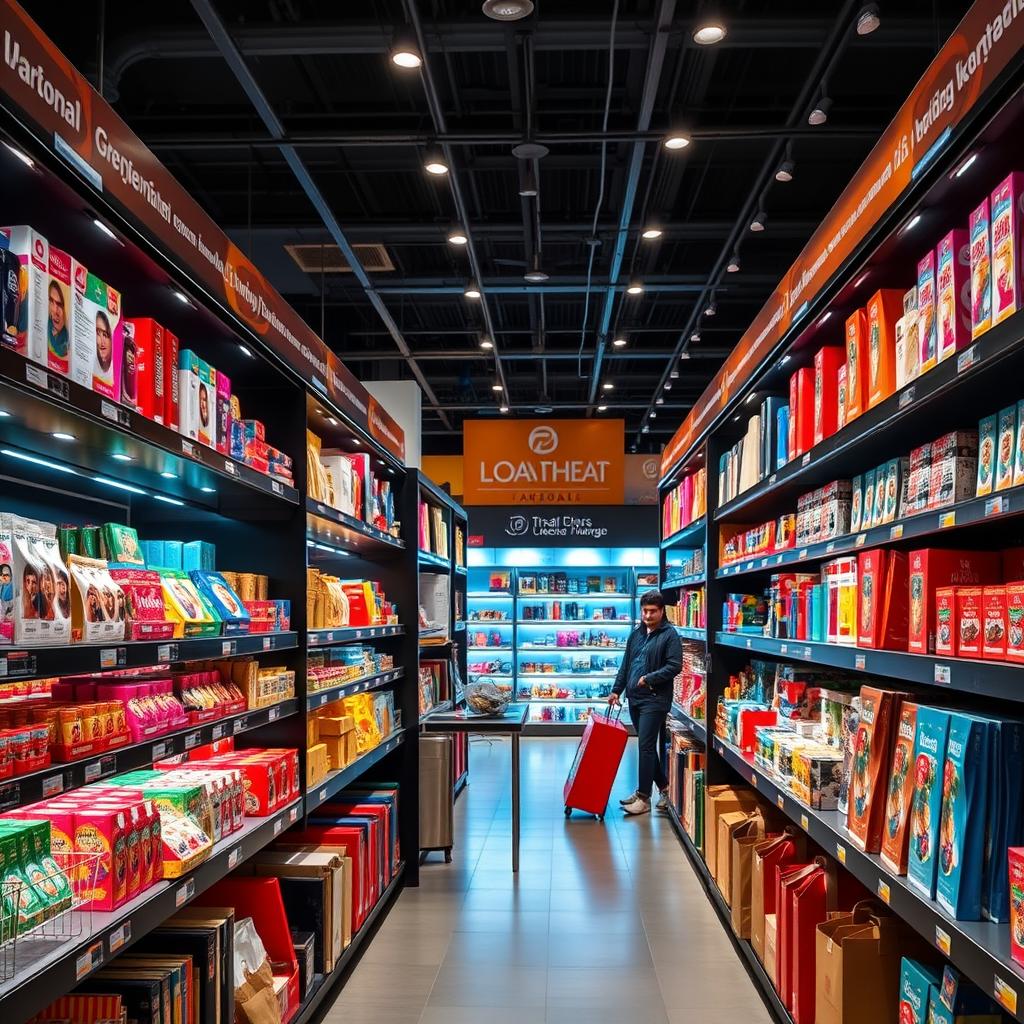
<h2>Understanding Bangladesh's Shopping Calendar</h2>
<p>Every country has its shopping rhythms, and Bangladesh is no exception. What makes the Bangladeshi shopping calendar unique is the blend of religious occasions, cultural celebrations, and global e-commerce events that together create a year-round cycle of sales opportunities. Smart shoppers who understand this calendar can save thousands of taka annually by timing their purchases to coincide with the right sales events. This isn't about impulse buying during sales — it's about planning your genuine needs around the calendar to maximize value.</p>
<h2>Eid ul-Fitr: The Biggest Shopping Season</h2>
<p>Eid ul-Fitr, marking the end of Ramadan, is unquestionably the largest shopping event in Bangladesh. For online shopping, the Eid rush begins 3-4 weeks before Eid day and peaks in the final 10 days. Every product category sees increased demand, but clothing, footwear, cosmetics, and gift items experience the most dramatic surges. On Khansland Shop, sellers typically begin posting Eid collections in the first week of Ramadan.</p>
<p>The strategic approach to Eid shopping is counterintuitive: the best deals are available in the first week of the sales period, not the last. Early in the season, sellers are competing aggressively for attention with introductory discounts. By the final week before Eid, demand so far exceeds supply that discounts shrink and popular sizes sell out. If you know you need Eid clothes, start browsing in the first week of Ramadan and purchase by the second week. You'll have the widest selection and the best prices.</p>
<p>Shipping delays are a major factor during Eid season. Courier companies across Bangladesh are overwhelmed — a delivery that normally takes 2-3 days in Dhaka can stretch to 7-10 days during peak Eid shipping. Order early enough that late delivery doesn't ruin your plans. If you're ordering gifts for family in other districts, add at least a week of buffer beyond the normal shipping estimate.</p>
<h2>Eid ul-Adha: Focused But Significant</h2>
<p>Eid ul-Adha shopping is more focused than Eid ul-Fitr but still substantial. The primary categories are clothing (though less intense than Ramadan Eid), kitchen equipment (for qurbani meat processing — large freezers, meat grinders, heavy-duty cookware), and home décor (many families renovate or redecorate before hosting Eid gatherings). Livestock-related accessories have also become an e-commerce category, with some platforms offering cattle feed, grooming supplies, and even the animals themselves.</p>
<p>For kitchen equipment in particular, prices often drop 2-3 weeks before Eid ul-Adha as sellers clear inventory. Large chest freezers from brands like Walton, Singer, and Samsung see predictable demand spikes, and sellers who stocked up months earlier offer competitive prices to move inventory. If you've been thinking about a freezer purchase, this is consistently the best time of year to buy one.</p>
<h2>Pohela Boishakh: Celebrating Bengali New Year</h2>
<p>The Bengali New Year (14th April) triggers a distinctive shopping pattern focused on traditional and cultural items. White and red clothing (the traditional Pohela Boishakh color combination) dominates clothing sales. Handloom sarees, panjabis, and traditional jewelry see massive demand. Online platforms showcase curated "Boishakhi Collections" that feature exclusively traditional items.</p>
<p>This is also an excellent time to buy handcrafted and artisanal products. Many small-scale makers and Bangladeshi craft brands release special Boishakhi editions of their products. If you appreciate handmade pottery, nakshi kantha, or traditional accessories, Pohela Boishakh sales often offer the widest selection of these items, sometimes with modest discounts as makers try to maximize visibility during the cultural moment.</p>
<h2>11.11, 12.12, and Global Sale Days</h2>
<p>Bangladesh's e-commerce industry has enthusiastically adopted global sale day formats. 11.11 (November 11th, originated by Alibaba's Singles' Day) has become one of the biggest online-only sale events in Bangladesh. The discounts during 11.11 are genuine and significant — platforms negotiate special prices with sellers and often subsidize additional discounts from their own margins to drive volume. Electronics, gadgets, and tech accessories see some of the deepest discounts of the year during 11.11.</p>
<p>12.12 (December 12th) follows a month later with similar discounts, though slightly less intense. Some strategic buyers use 11.11 for electronics and 12.12 for clothing and home goods, spreading their shopping budget across both events. Both events feature flash sales (deeply discounted items available in limited quantities for short time windows), so set reminders and be ready to act quickly — popular flash sale items sell out within minutes.</p>
<p>Other adopted global events include Black Friday (late November) and New Year sales (last week of December through first week of January). While these don't have the same cultural resonance as Eid or Boishakh, they've become reliable discount windows, particularly for international brands and tech products.</p>
<h2>The Wedding Season Opportunity</h2>
<p>Bangladesh's wedding season (primarily November through February, with a secondary peak in June-July) creates massive demand for specific categories: jewelry, gift items, formal clothing, home appliances (wedding gifts), and bedroom/home furnishing. If you're attending weddings during the season, plan your gift purchases early — prices on popular gift items like cookware sets, bed linen, and small appliances creep upward as the season intensifies.</p>
<p>Conversely, if you're the one getting married, the off-season (March-May, August-October) often offers better prices on wedding supplies. Venue decoration items, table settings, and even wedding clothing from the previous season get discounted to clear inventory. A pragmatic couple can save 20-30% on many wedding expenses by shopping off-season.</p>
<h2>Year-Round Strategy for Smart Shopping</h2>
<p>The most effective shopping strategy combines seasonal awareness with year-round discipline. Maintain a wishlist of items you genuinely need (not impulse wants) and monitor their prices over time. When a relevant sale event arrives, you'll know immediately whether a "50% off" claim is genuine or if the price was inflated before the sale to create an artificial discount. This happens more often than sellers would like to admit.</p>
<p>Set price alerts if the platform offers them, or simply check back on wishlist items weekly. Some products follow predictable annual cycles — air conditioners are cheapest in October-November (post-summer), heaters are cheapest in March-April (post-winter), and last year's smartphone models drop significantly when new models launch (typically February-March and August-September).</p>
<p>Remember that the best deal is still the one you actually need. A 70% discount on something you'll never use is not a savings — it's a waste. Use the seasonal calendar to time purchases you were already planning to make, not to justify buying things you don't need simply because they're on sale.</p>
<p>Every country has its shopping rhythms, and Bangladesh is no exception. What makes the Bangladeshi shopping calendar unique is the blend of religious occasions, cultural celebrations, and global e-commerce events that together create a year-round cycle of sales opportunities. Smart shoppers who understand this calendar can save thousands of taka annually by timing their purchases to coincide with the right sales events. This isn't about impulse buying during sales — it's about planning your genuine needs around the calendar to maximize value.</p>
<h2>Eid ul-Fitr: The Biggest Shopping Season</h2>
<p>Eid ul-Fitr, marking the end of Ramadan, is unquestionably the largest shopping event in Bangladesh. For online shopping, the Eid rush begins 3-4 weeks before Eid day and peaks in the final 10 days. Every product category sees increased demand, but clothing, footwear, cosmetics, and gift items experience the most dramatic surges. On Khansland Shop, sellers typically begin posting Eid collections in the first week of Ramadan.</p>
<p>The strategic approach to Eid shopping is counterintuitive: the best deals are available in the first week of the sales period, not the last. Early in the season, sellers are competing aggressively for attention with introductory discounts. By the final week before Eid, demand so far exceeds supply that discounts shrink and popular sizes sell out. If you know you need Eid clothes, start browsing in the first week of Ramadan and purchase by the second week. You'll have the widest selection and the best prices.</p>
<p>Shipping delays are a major factor during Eid season. Courier companies across Bangladesh are overwhelmed — a delivery that normally takes 2-3 days in Dhaka can stretch to 7-10 days during peak Eid shipping. Order early enough that late delivery doesn't ruin your plans. If you're ordering gifts for family in other districts, add at least a week of buffer beyond the normal shipping estimate.</p>
<h2>Eid ul-Adha: Focused But Significant</h2>
<p>Eid ul-Adha shopping is more focused than Eid ul-Fitr but still substantial. The primary categories are clothing (though less intense than Ramadan Eid), kitchen equipment (for qurbani meat processing — large freezers, meat grinders, heavy-duty cookware), and home décor (many families renovate or redecorate before hosting Eid gatherings). Livestock-related accessories have also become an e-commerce category, with some platforms offering cattle feed, grooming supplies, and even the animals themselves.</p>
<p>For kitchen equipment in particular, prices often drop 2-3 weeks before Eid ul-Adha as sellers clear inventory. Large chest freezers from brands like Walton, Singer, and Samsung see predictable demand spikes, and sellers who stocked up months earlier offer competitive prices to move inventory. If you've been thinking about a freezer purchase, this is consistently the best time of year to buy one.</p>
<h2>Pohela Boishakh: Celebrating Bengali New Year</h2>
<p>The Bengali New Year (14th April) triggers a distinctive shopping pattern focused on traditional and cultural items. White and red clothing (the traditional Pohela Boishakh color combination) dominates clothing sales. Handloom sarees, panjabis, and traditional jewelry see massive demand. Online platforms showcase curated "Boishakhi Collections" that feature exclusively traditional items.</p>
<p>This is also an excellent time to buy handcrafted and artisanal products. Many small-scale makers and Bangladeshi craft brands release special Boishakhi editions of their products. If you appreciate handmade pottery, nakshi kantha, or traditional accessories, Pohela Boishakh sales often offer the widest selection of these items, sometimes with modest discounts as makers try to maximize visibility during the cultural moment.</p>
<h2>11.11, 12.12, and Global Sale Days</h2>
<p>Bangladesh's e-commerce industry has enthusiastically adopted global sale day formats. 11.11 (November 11th, originated by Alibaba's Singles' Day) has become one of the biggest online-only sale events in Bangladesh. The discounts during 11.11 are genuine and significant — platforms negotiate special prices with sellers and often subsidize additional discounts from their own margins to drive volume. Electronics, gadgets, and tech accessories see some of the deepest discounts of the year during 11.11.</p>
<p>12.12 (December 12th) follows a month later with similar discounts, though slightly less intense. Some strategic buyers use 11.11 for electronics and 12.12 for clothing and home goods, spreading their shopping budget across both events. Both events feature flash sales (deeply discounted items available in limited quantities for short time windows), so set reminders and be ready to act quickly — popular flash sale items sell out within minutes.</p>
<p>Other adopted global events include Black Friday (late November) and New Year sales (last week of December through first week of January). While these don't have the same cultural resonance as Eid or Boishakh, they've become reliable discount windows, particularly for international brands and tech products.</p>
<h2>The Wedding Season Opportunity</h2>
<p>Bangladesh's wedding season (primarily November through February, with a secondary peak in June-July) creates massive demand for specific categories: jewelry, gift items, formal clothing, home appliances (wedding gifts), and bedroom/home furnishing. If you're attending weddings during the season, plan your gift purchases early — prices on popular gift items like cookware sets, bed linen, and small appliances creep upward as the season intensifies.</p>
<p>Conversely, if you're the one getting married, the off-season (March-May, August-October) often offers better prices on wedding supplies. Venue decoration items, table settings, and even wedding clothing from the previous season get discounted to clear inventory. A pragmatic couple can save 20-30% on many wedding expenses by shopping off-season.</p>
<h2>Year-Round Strategy for Smart Shopping</h2>
<p>The most effective shopping strategy combines seasonal awareness with year-round discipline. Maintain a wishlist of items you genuinely need (not impulse wants) and monitor their prices over time. When a relevant sale event arrives, you'll know immediately whether a "50% off" claim is genuine or if the price was inflated before the sale to create an artificial discount. This happens more often than sellers would like to admit.</p>
<p>Set price alerts if the platform offers them, or simply check back on wishlist items weekly. Some products follow predictable annual cycles — air conditioners are cheapest in October-November (post-summer), heaters are cheapest in March-April (post-winter), and last year's smartphone models drop significantly when new models launch (typically February-March and August-September).</p>
<p>Remember that the best deal is still the one you actually need. A 70% discount on something you'll never use is not a savings — it's a waste. Use the seasonal calendar to time purchases you were already planning to make, not to justify buying things you don't need simply because they're on sale.</p>
